
The Step-by-Step Process From Your First Phone Call to a Safe, Cleared Property
If a tree falls or looks like it may fall, an emergency tree removal call moves fast. You can expect a quick phone assessment, a rapid arrival if the situation is urgent, a safety check of the area, and a clear plan to remove the tree without causing more damage. The crew will focus on safety first, then work to clear the tree and protect your home, driveway, or yard.
What You Should Do Before Calling
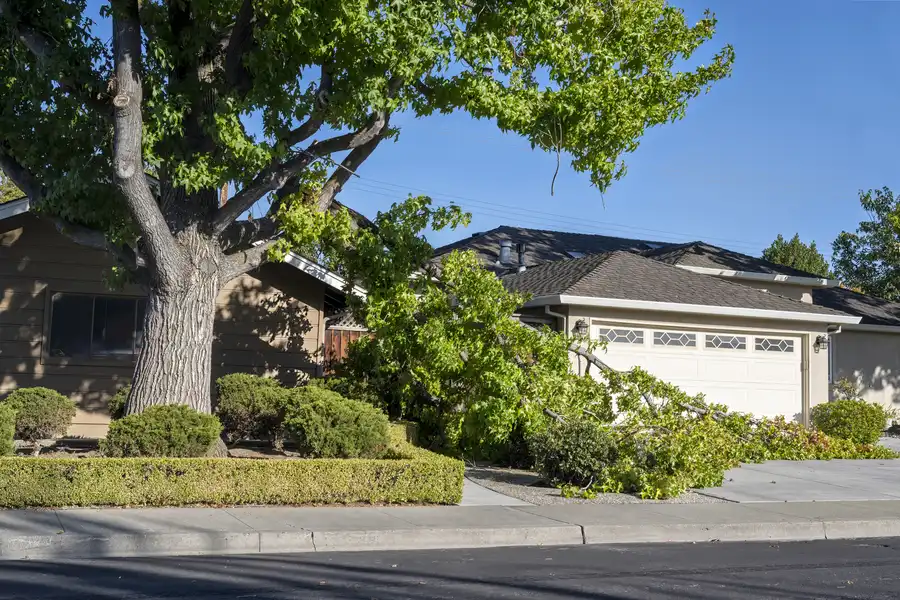
When a tree comes down during a storm or starts leaning after strong winds, take a moment to stay calm. Your safety comes first. Before calling for emergency tree removal, try to gather basic details.
- Check if anyone is hurt and call 911 if needed.
- Stay away from downed power lines.
- Do not stand under hanging branches.
- Note where the tree landed, such as on a roof or fence.
- Take clear photos from a safe distance.
These details help the crew prepare the right tools and equipment before they arrive.
Step-by-Step: What Happens During the Call and Visit
Knowing the process can help you feel more at ease. Here is how most emergency tree removal calls go.
- Initial phone call: You explain what happened. The dispatcher asks about tree size, location, and any visible dangers.
- Safety guidance: You may get simple tips, like keeping pets and children indoors.
- Arrival on site: A crew arrives as soon as possible, often with a bucket truck or chainsaws.
- On-site inspection: The team checks the tree, nearby structures, and ground stability.
- Removal plan: The crew explains how they will cut and remove the tree in sections.
- Careful cutting and lowering: Large limbs are cut first. Ropes or cranes may be used to lower heavy pieces safely.
- Debris cleanup: Branches and trunk sections are moved away from your home. Wood may be hauled off or stacked, based on your request.
If the tree damaged your roof or siding, the crew may place a tarp to help prevent further water damage until repairs can be arranged.
Common Mistakes to Avoid During A Tree Emergency
In a stressful moment, people often try to fix the problem themselves. That can lead to serious injuries.
- Do not use a ladder near a damaged tree.
- Do not attempt to cut branches under tension.
- Do not walk on a storm-damaged roof.
- Do not ignore partially fallen trees that are still attached.
Trees can shift without warning. A branch that looks stable may snap suddenly. Emergency situations are not the time for DIY trimming.
When A Situation Becomes A True Emergency
Not every fallen branch requires an urgent response. So what counts as an emergency tree removal?
It is usually considered an emergency when:
- A tree has fallen on a house or vehicle.
- A large limb is hanging over a bedroom or entry door.
- The trunk has split and may fall at any moment.
- The tree is blocking a driveway or public road.
- Roots have lifted and the tree is leaning heavily.
Fast action helps limit damage and lowers the risk of injury. In these cases, it is best to call right away rather than wait for regular business hours.
Equipment and Safety Measures You May See
During emergency tree removal, the crew may use chainsaws, rigging ropes, cranes, wood chippers, and safety harnesses. Hard hats, eye protection, and gloves are standard protective gear. The area may be taped off to keep people at a safe distance.
If power lines are involved, the power company may also need to respond before work can begin. Crews will not cut branches tangled in live wires. That step must be handled by utility workers.
How Long the Process Takes
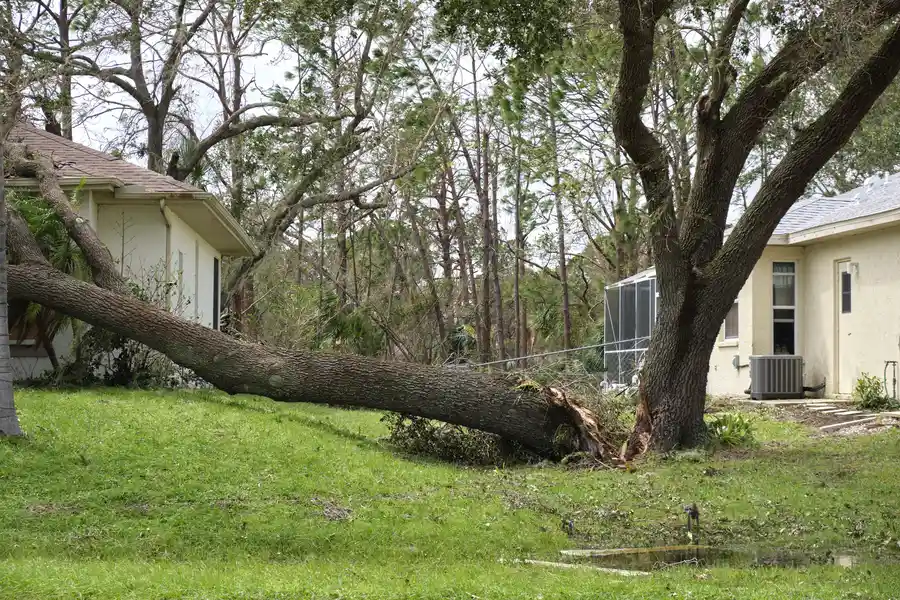
The time depends on the size of the tree and the damage involved. A small fallen tree in an open yard may take only a couple of hours. A large oak across a roof can take much longer. The crew works in sections to control each cut and avoid further harm to your property.
Weather can also affect timing. High winds or lightning may pause work until conditions are safer.
Final Steps and What Happens Next
After the tree is removed, you will review the cleared area with the crew. They check for leftover debris and confirm that walkways and driveways are safe. You can also ask about stump removal, trimming nearby trees, or preventing future storm damage.
If your property has frequent storm issues, a follow-up inspection can help spot weak limbs before they fall. Preventive trimming lowers the chance of another late-night emergency call.
Get Fast Help When You Need It Most
If you are dealing with storm damage or a fallen tree in Spokane Valley, WA, help is only a phone call away. Our team at Mcelfish Tree Care responds quickly to urgent calls and handles every job with care and attention to safety. We bring the right equipment and trained crew to protect your home and family. Call us at (509) 723-9044 for emergency tree removal and let us clear the danger so you can feel safe again.