Regular Tree Care Lowers the Risk of Storm Damage and Keeps Your Property Safer
Routine tree maintenance helps protect your home during strong storms by removing weak branches, keeping trees balanced, and spotting problems early. Healthy, trimmed trees are less likely to fall, split, or drop large limbs during heavy wind and rain. This simple upkeep can reduce the need for costly storm damage cleanup and help you avoid sudden hazards in your yard.
Why Prevention Matters
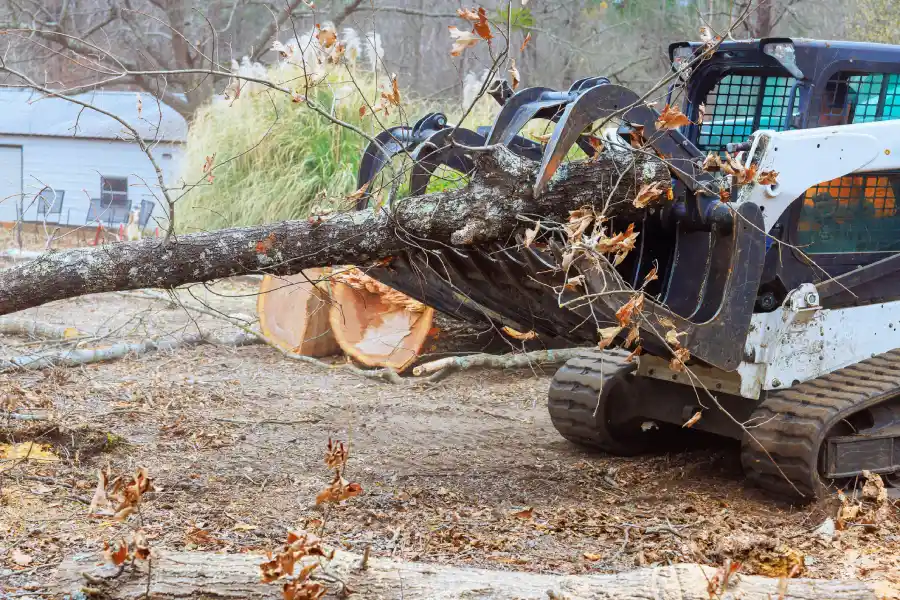
Storms can turn small tree issues into big problems fast. A weak limb may hang for months without trouble. But add strong wind and soaked soil, and that limb can snap in seconds. When trees are not maintained, they often become top-heavy or diseased. This makes them more likely to fall toward homes, cars, fences, or power lines.
Preventive care gives trees a stronger structure. Trimming keeps weight balanced. Removing dead wood lowers the chance of breakage. Checking root health helps trees stay firmly anchored in wet ground. A little work each year can save you from major storm damage cleanup after a severe storm.
Early Warning Signs to Watch For
Many tree problems show signs before a storm hits. If you know what to look for, you can act early.
- Dead or hanging branches in the canopy
- Cracks in the trunk or large limbs
- Leaning trees with exposed roots
- Fungus growing at the base of the trunk
- Branches rubbing against your roof or siding
- Thick, crowded limbs that block airflow
These signs do not always mean a tree must be removed. In many cases, careful trimming or support can fix the issue. Ignoring them, though, can lead to heavy damage when storms roll through.
Seasonal Tree Maintenance Checklist
Tree care works best on a schedule. Each season brings different risks and tasks.
- Late winter or early spring: Prune dead or weak branches before storm season starts. This also helps new growth form safely.
- Spring: Inspect trees for cracks or split limbs after heavy rain and wind.
- Summer: Trim overgrown branches that hang over roofs, driveways, or walkways.
- Fall: Clear away fallen limbs and check tree stability before winter storms arrive.
Regular inspections make problems easier to catch. They also reduce the risk of emergency tree work when weather conditions are unsafe.
Best Practices for Long-Term Storm Protection
Good maintenance is about more than cutting branches. It is about helping trees grow strong.
Start by planting the right tree in the right spot. Large shade trees should not sit too close to your home. As trees grow, shape them while they are young. Balanced growth builds a sturdy trunk and evenly spaced limbs.
Keep soil healthy. Mulch around the base, but do not pile it against the trunk. Water trees during dry periods so roots stay strong. Remove diseased or damaged wood as soon as you see it. This lowers decay and weakness inside the canopy.
When trees are well cared for, they bend with the wind instead of snapping. They are far less likely to require large-scale storm damage cleanup after heavy weather.
What Not to Do
Some maintenance mistakes can make storm damage worse.
- Do not top trees. Cutting off the entire top leads to weak regrowth.
- Do not remove too many branches at once. This stresses the tree.
- Do not ignore small cracks or decay spots.
- Do not attempt large limb removal without proper tools or training.
Poor pruning techniques create unstable growth. Weak new branches can break easily in high winds. Safe and proper trimming is key to prevention.
When to Schedule Professional Help
Some tree issues require more than basic yard work. If a tree is close to your house, leaning heavily, or touching power lines, professional service is the safer choice. Large trees often need special equipment to trim or remove limbs safely.
A trained crew can inspect structure, check root health, and recommend the right plan. This may include pruning, cabling for support, or full removal if the tree poses a danger. Acting early usually costs less than emergency storm damage cleanup after a tree has already fallen.
Protect Your Property Before the Next Storm
Storms in Spokane Valley, WA can hit fast and leave behind serious damage. Our team at Mcelfish Tree Care helps property owners reduce risk through routine inspections, trimming, and safe tree care. We focus on prevention so our customers are less likely to deal with major storm damage cleanup later. If you would like a tree assessment or seasonal maintenance visit, call us at (509) 723-9044 and we will schedule a time that works for you.