
Step-by-Step Guide to Cleaning up and Rebuilding Your Yard
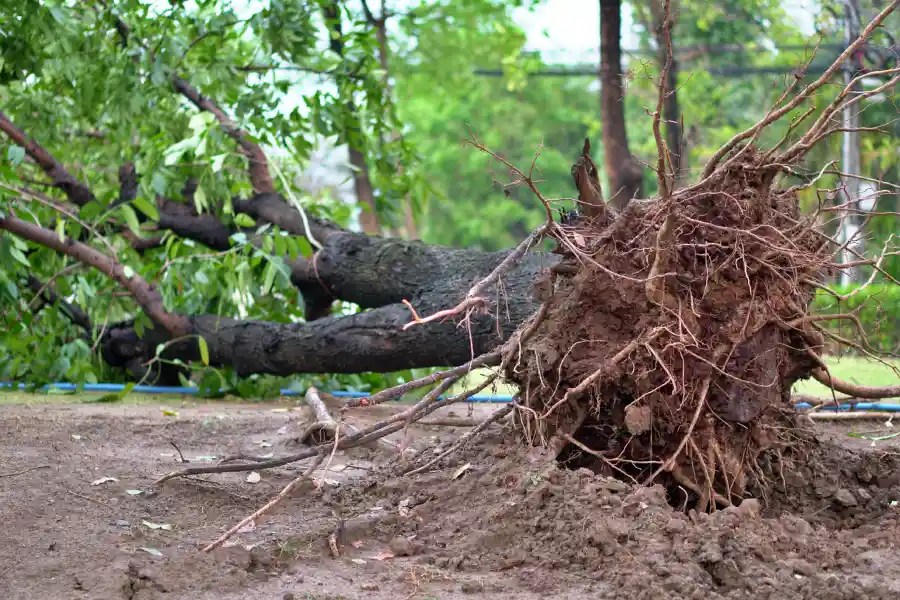
To restore your landscape after a severe storm, start by clearing debris, checking for safety hazards, trimming or removing damaged plants, repairing soil and drainage areas, and then replanting where needed. Acting fast helps stop further damage and brings your yard back to life. In places like Spokane Valley, WA, strong winds and heavy rain can tear up lawns, break trees, and flood flower beds, so a clear plan makes the work easier and safer.
What to Do Right Away After the Storm
Your first goal is safety. Storms can leave behind sharp branches, loose wires, and unstable trees. Walk your property slowly. Look for hanging limbs, leaning trees, and areas where water is pooling.
If anything looks risky, mark the spot and stay clear. Do not try to handle large broken limbs near power lines. Once the area feels safe, you can begin basic storm damage cleanup.
What You Need Before You Start
Having the right tools saves time and protects you from injury. Gather these items before you begin:
- Work gloves with thick padding
- Safety glasses
- Sturdy boots
- Rake and shovel
- Pruning shears or a handsaw
- Trash bags or a yard waste bin
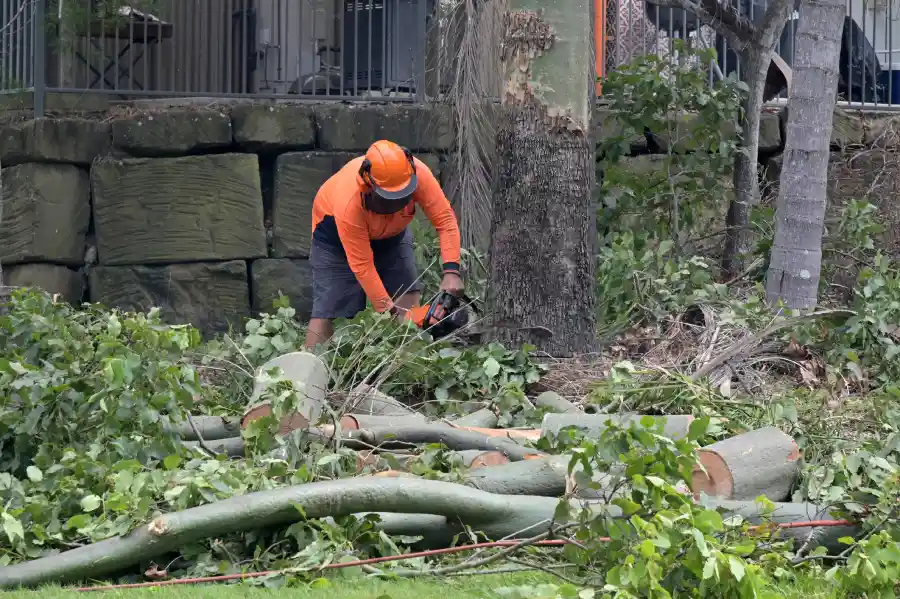
If there are large trees down, you may also need a chainsaw. Only use one if you have experience and proper safety gear.
Step-by-Step Storm Damage Cleanup Process
Follow these steps to bring order back to your yard:
- Remove large debris first. Pick up fallen branches, fencing, and scattered objects. Start with the biggest pieces so you can see the ground clearly.
- Rake smaller debris. Clear leaves, twigs, and mulch that washed into piles. This helps grass breathe again.
- Check trees and shrubs. Trim broken or split branches. Make clean cuts close to the base of the damaged limb.
- Remove destroyed plants. If a plant is uprooted or crushed, pull it out. Leaving dead roots can attract pests.
- Fix soil issues. Storm water can wash away topsoil. Add fresh soil where you see low spots or exposed roots.
- Repair drainage problems. If water pools in one area, the ground may need grading. Filling dips can help prevent future flooding.
- Reseed or replant. Once the ground is stable, add grass seed, sod, or new plants.
Working in this order keeps the project organized and less stressful.
Common Mistakes to Avoid
Many homeowners rush through cleanup. That can cause more harm than good.
One common mistake is over-pruning trees. Cutting too much can weaken a tree and slow its recovery. Only remove damaged branches.
Another mistake is ignoring soil compaction. Heavy rain and fallen debris press soil down tight. Compacted soil blocks air and water from reaching roots. Loosen it gently with a garden fork before planting.
Some people also mow too soon. If the lawn is still soaked, mowing can rip out grass and leave deep ruts.
When to Call a Professional
Some storm damage cleanup jobs are too large or risky to handle alone. You may need expert help if:
- A large tree is leaning toward your home
- Tree roots have lifted sidewalks or driveways
- Your yard has major drainage failure
- There is damage near electrical lines
Professionals have the equipment and training to remove heavy trees and reshape the land safely. They can also spot hidden problems, like cracked root systems or unstable ground.
Rebuilding for Long-Term Strength
After basic repairs, think about how to make your yard stronger for the next storm. Choose native plants that handle strong wind and heavy rain. Add mulch around trees to protect roots. Improve drainage with gravel beds or simple swales that guide water away from your home.
Healthy soil, strong roots, and proper grading all help reduce future damage. Small upgrades now can save hours of cleanup later.
Get Expert Help Restoring Your Landscape
If your property in Spokane Valley, WA has heavy storm damage, we are ready to help. At Mcelfish Tree Care, we handle storm damage cleanup, tree removal, debris hauling, and landscape repair with care and attention. We use the right equipment to protect your home and yard while restoring its beauty. Call us at (509) 723-9044 to schedule a visit and let us help bring your landscape back to life.